Microsoft TeamsYealink Revolutionizing Teams Collaboration with Yealink SmartVision 60: The Ultimate All-in-One 360° Camera The Yealink SmartVision 60 is a revolutionary all-in-one audio and video device designed to elevate…Micah ClarkeApril 16, 2024
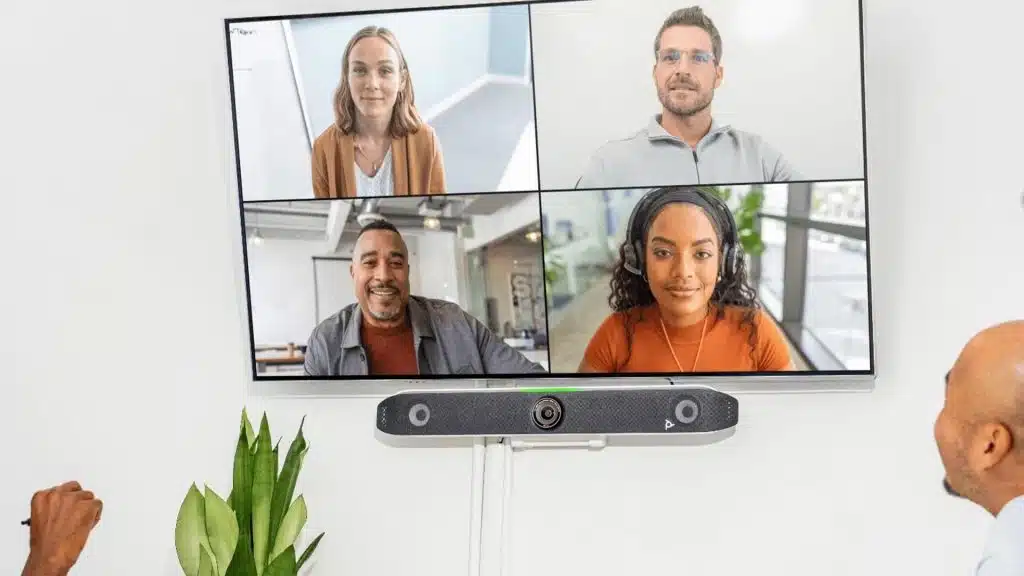
Microsoft TeamsPolyZoom New Poly V52 Delivers Powerful Studio X Quality And Simple USB Connectivity Legendary Poly Audio and Video Technology The Poly Studio V52 is a USB video bar…Micah ClarkeApril 1, 2024
Microsoft TeamsPolyZoom Is This New Camera From Poly The Best PTZ Camera For Zoom & Microsoft Teams? Crisp 4K Resolution with 12x Optical Zoom The Poly Studio E60 Camera offers unparalleled visual…Micah ClarkeMarch 18, 2024
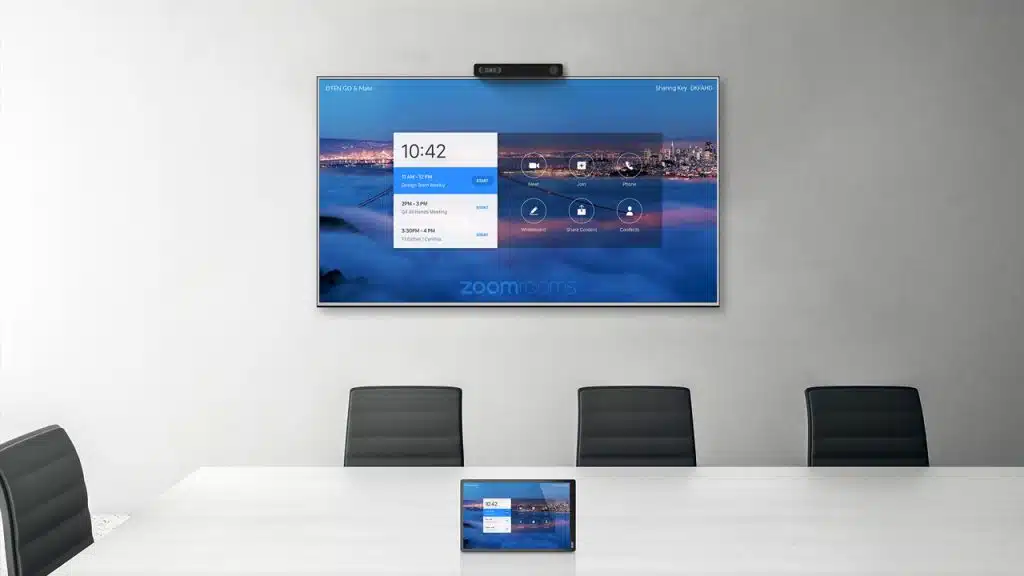
DTENZoom The Best Wireless Zoom Room Controller If you're in a need of zoom room touch control that can be moved about…Micah ClarkeMarch 4, 2024
Microsoft TeamsYealinkZoom Yealink MB Series Interactive Meeting Boards Deliver Flexible Collaboration Yealink, known for its flexible and innovative conferencing devices, has introduced two powerful Meeting Boards…Micah ClarkeFebruary 6, 2024
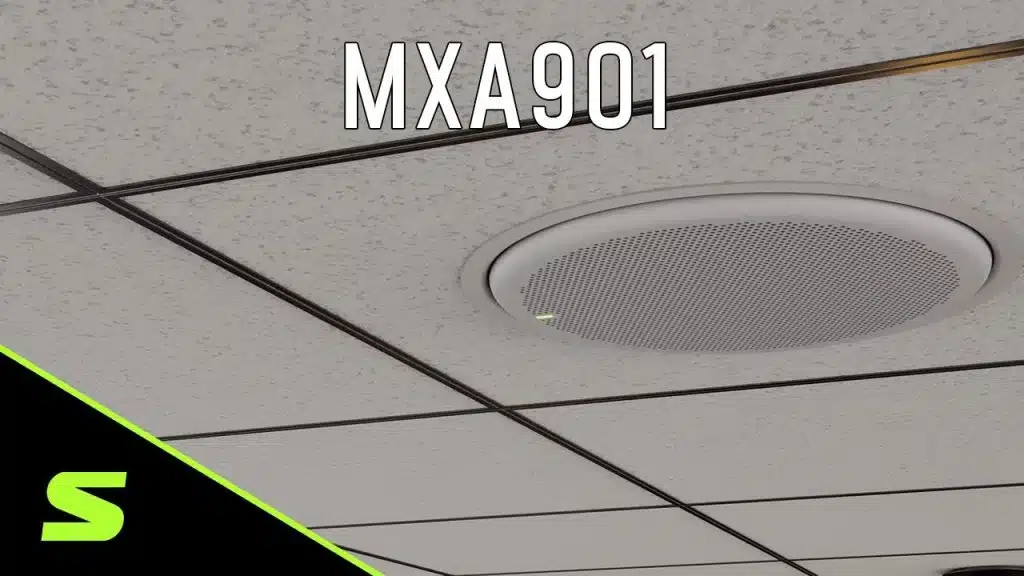
Product NewsShure Unveiling the Shure MXA901: A Leap In Audio Technology Shure has released a new ceiling array microphone, the MXA901, that is designed to provide…Micah ClarkeJanuary 22, 2024
Microsoft TeamsProduct ReviewsZoom New Year, New Conference Room: 323.tv’s Top Upgrades for 2024 As we bid farewell to the old and usher in the new, it's the perfect…Micah ClarkeJanuary 8, 2024
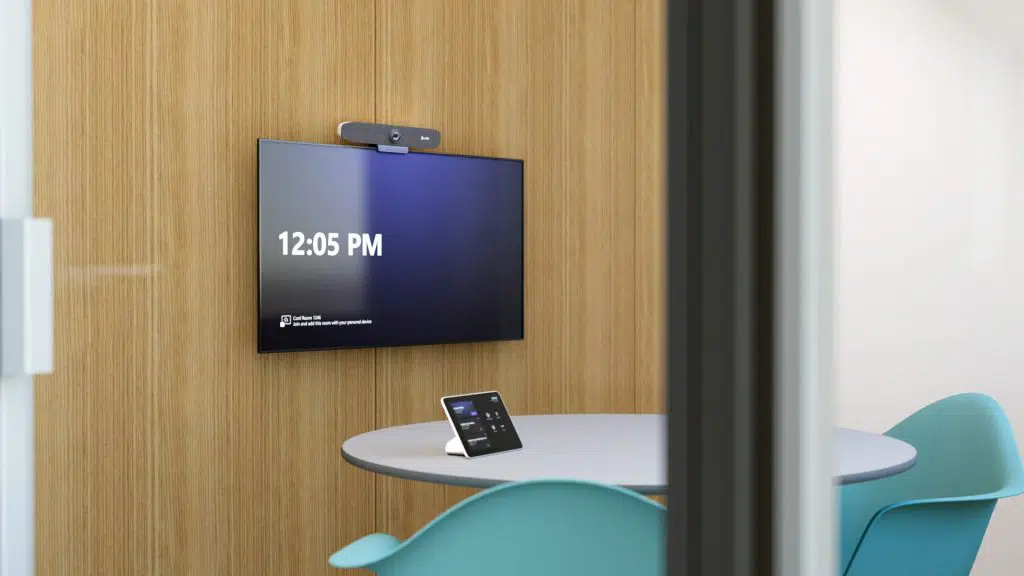
Microsoft TeamsPoly Resolving Microsoft Teams Room Sign-In Issues on Android Devices: A Comprehensive Guide Understanding the issue: Many users have reported encountering automatic sign-outs on Android devices in Microsoft…Micah ClarkeDecember 21, 2023